
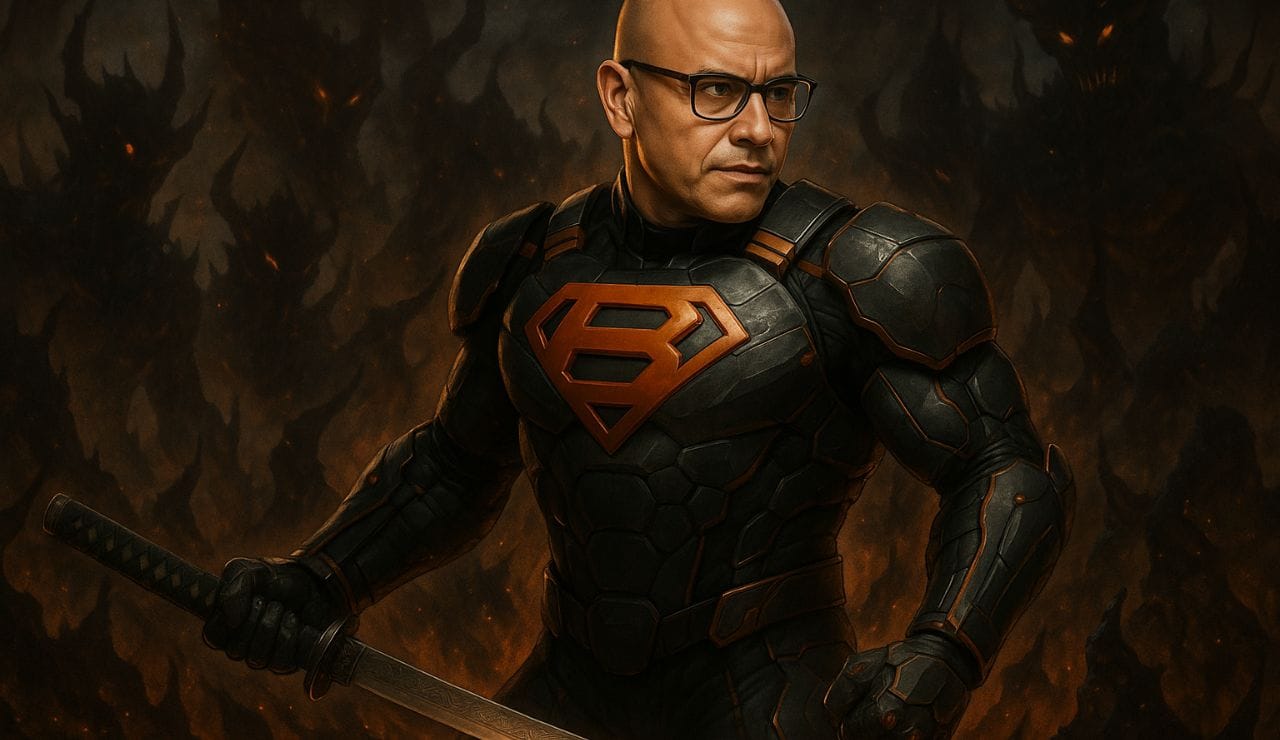
Why we want superpowers (and what to do about it)?
—
Remember when you were 8 years old, running around the house with a towel tied around your neck, pretending to fly?
You’re 35(or 45, or 55) now. You still watch superhero movies. You still imagine what it would be like to have superpowers.
What’s going on here?
How “Superhero Syndrome” Shows Up
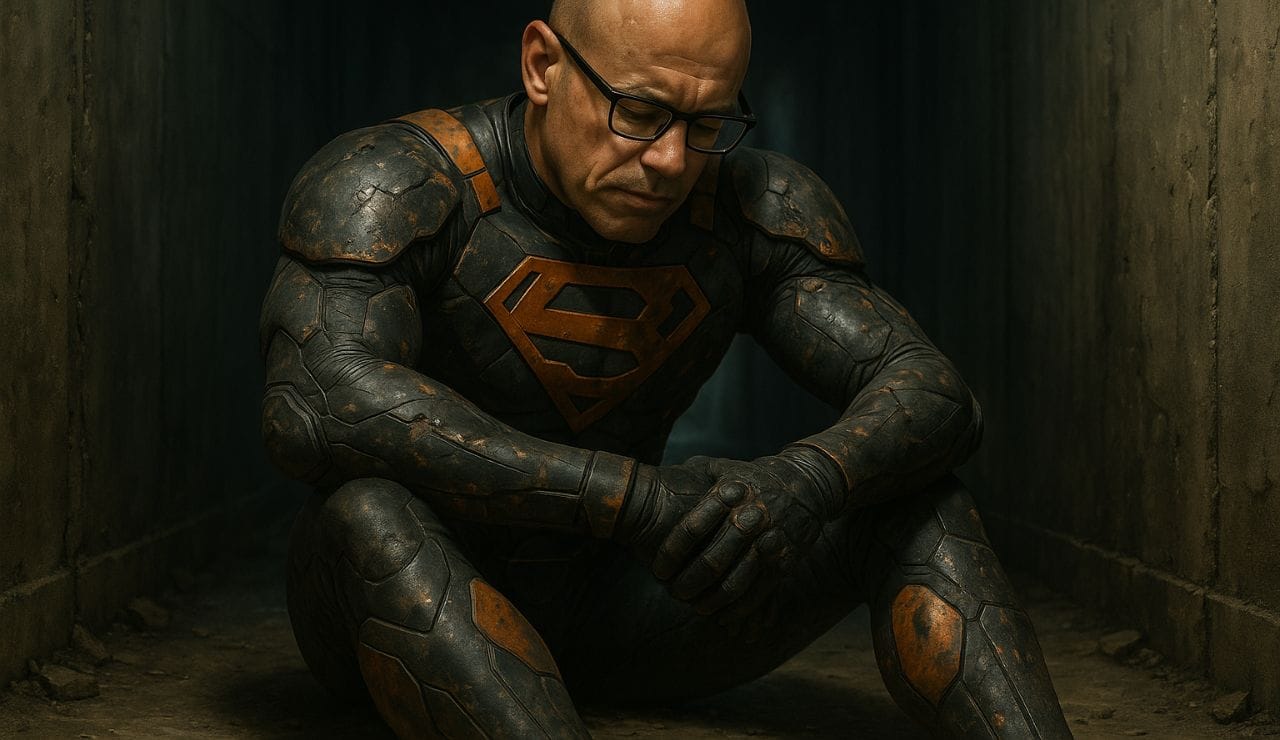
Mental level: Constant daydreaming about having special abilities. Fantasizing about saving the day. Imagining scenarios where you’re the hero everyone needs.
Verbal level: “I wish I could…” statements. Talking about fictional characters as if they’re real role models. Comparing yourself to superheroes in conversations.
Physical level: Mimicking superhero poses. Collecting superhero merchandise. Dressing up for events. Playing superhero video games for hours.
Sound familiar?
What Does It Really Mean?
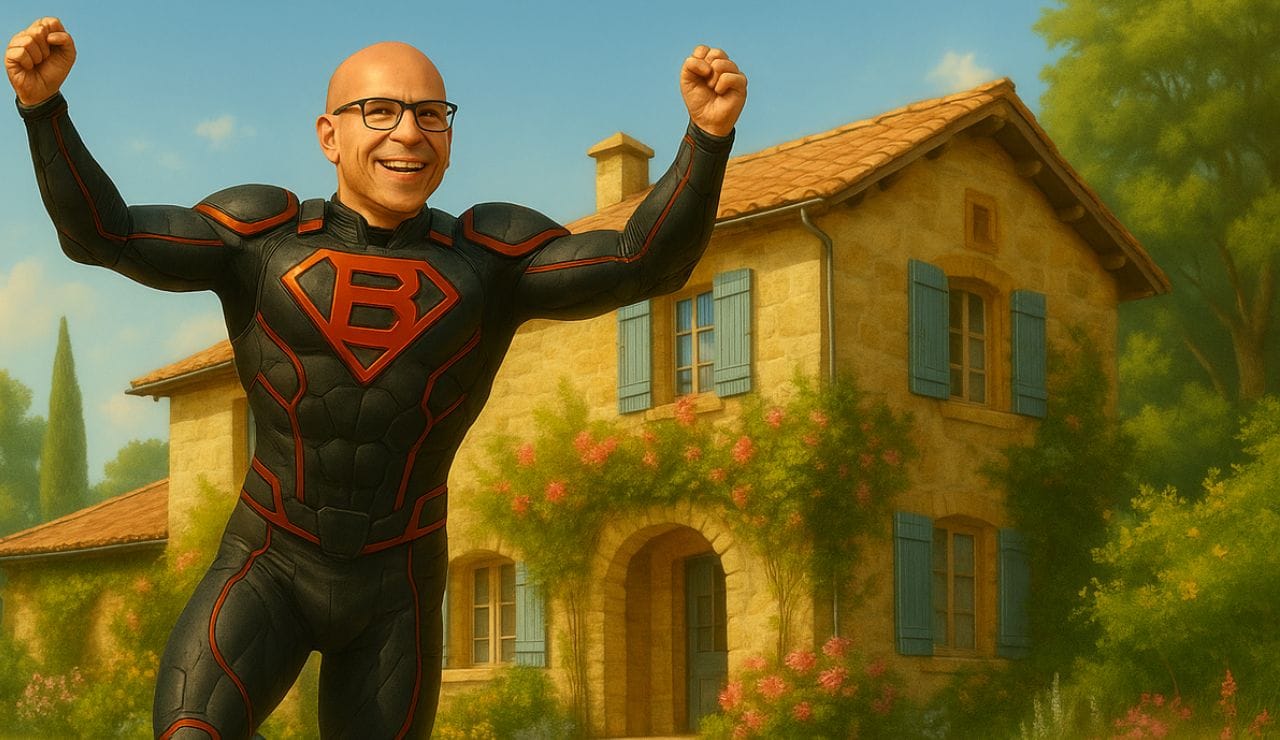
Your superhero obsession isn’t about wanting to fly or shoot lasers from your eyes.
It’s about wanting to matter.
It’s about craving significance, impact, and the ability to solve problems that feel too big for you right now.
When you fantasize about superpowers, you’re actually fantasizing about being enough. About being capable. About having control.
The Root Causes
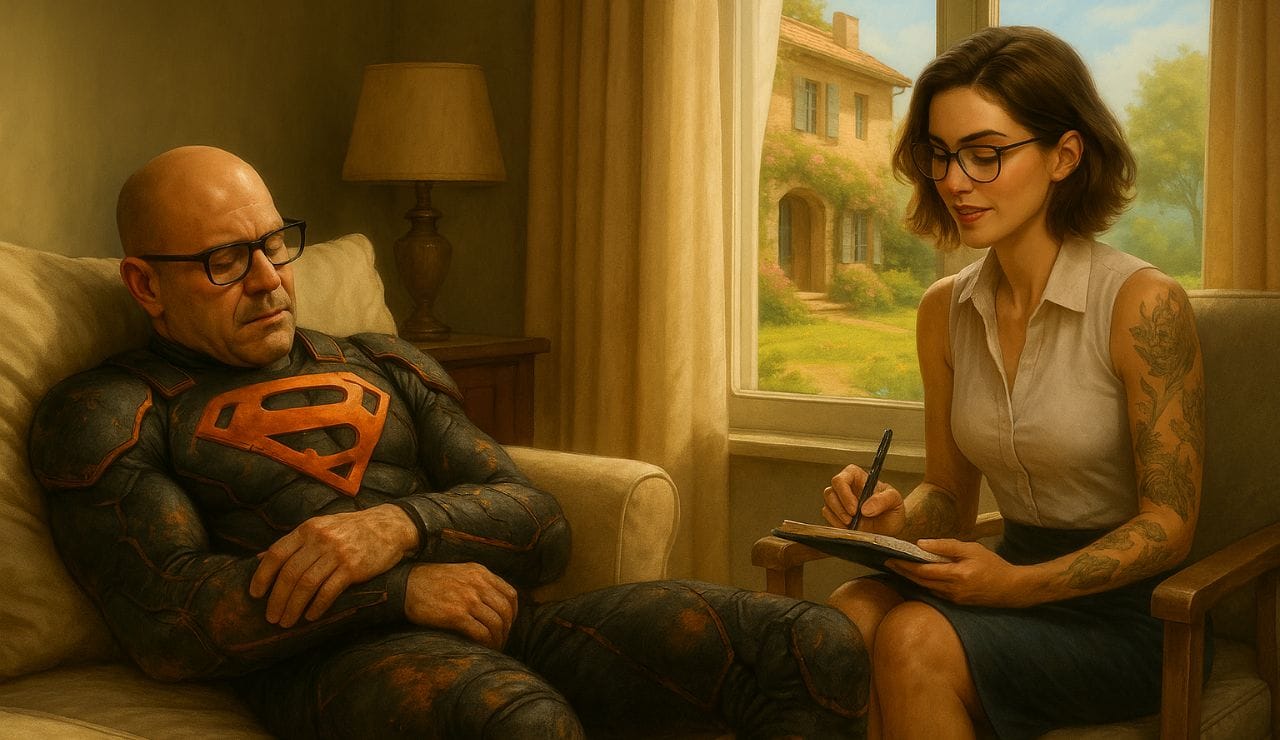
Powerlessness: You feel stuck in situations you can’t change. Job, relationship, health, finances. Life feels like it’s happening TO you, not because of you.
Low self-efficacy: You doubt your ability to handle challenges. You don’t trust yourself to solve problems or create meaningful change.
Imposter syndrome: You feel small and insignificant. Like you’re not qualified for the life you want or the problems you face.
Childhood programming: As kids, we learned that “special people” solve big problems. Regular people just survive.
Modern overwhelm: The world feels chaotic and broken. Only someone with superpowers could fix it, right?
What To Do About It (If You’re An Adult)?
Stop trying to kill your inner superhero. Use it.
Your superhero dreams are pointing toward something real: your desire to grow, contribute, and become more than you are today.
The problem isn’t the dream. The problem is believing you need superpowers to make it happen.
Your Action Plan
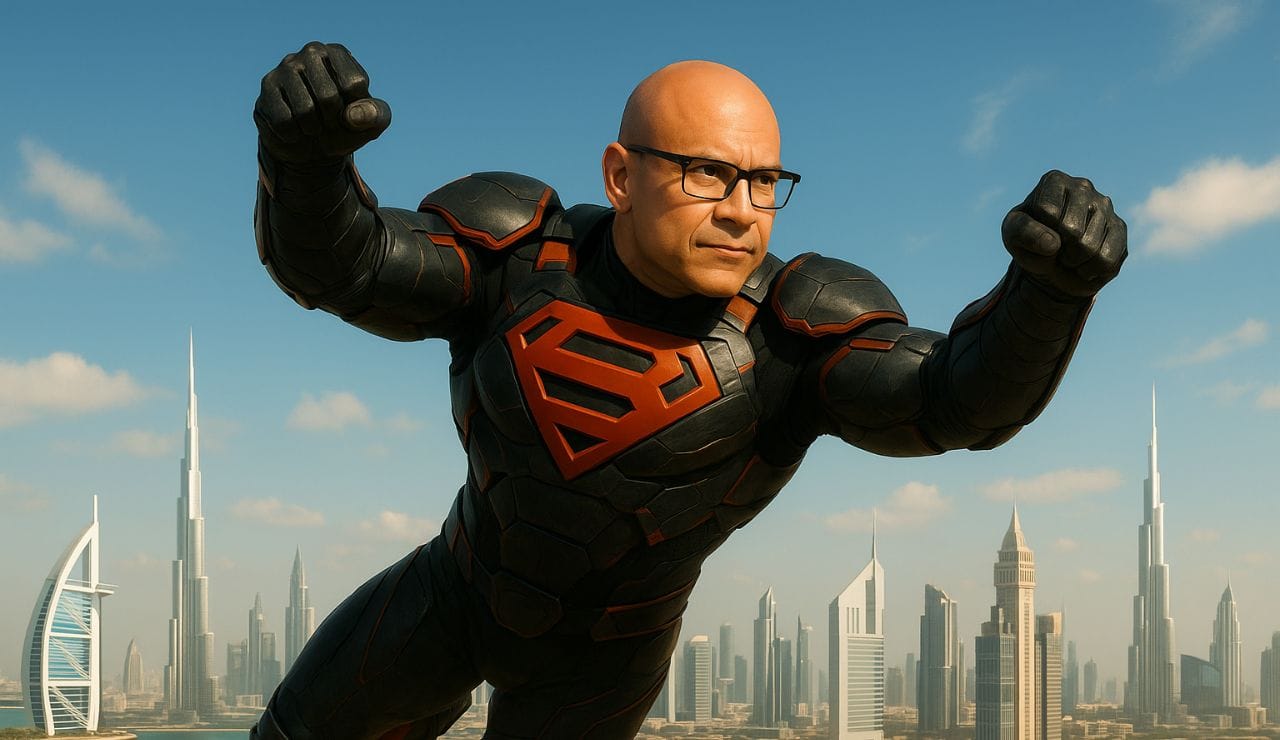
Step 1: Identify your real superpower
What natural ability do you have that others struggle with? What comes easy to you but hard to others? This is your starting point.
Step 2: Start small, not spectacular
Instead of dreaming about saving the world, focus on saving your corner of it. Help one person. Solve one problem. Create one small improvement.
Step 3: Build your “power level” gradually
Take on progressively bigger challenges. Each success builds confidence and capability. You’re literally developing your real-world superpowers.
Step 4: Find your “mission”
What problem in the world genuinely bothers you? This is your signal. Your frustration points toward your purpose.
Step 5: Assemble your “team”
Even superheroes have sidekicks and teams. Connect with people who share your mission. Collaborate instead of trying to do everything alone.
Step 6: Document your “origin story”
Track your progress. Celebrate small wins. Build evidence that you’re actually becoming the person you dreamed of being.
Step 7: Embrace the ordinary hero
Accept that real heroism looks different than comic books. It’s consistent action, not dramatic moments. It’s showing up daily, not saving the day once.
—
The truth: You already have superpowers. They’re called skills, knowledge, persistence, and the ability to care about others.
The lie: You need to be extraordinary to make a difference.
The reality: The world doesn’t need more superheroes. It needs more humans willing to use their actual powers.
Stop waiting for the radioactive spider bite. Start using what you already have.
Your cape is optional.
—
What “superpower” are you ready to develop in real life? I’d love to hear your thoughts.
Leave a Reply